How to Read a Furniture Showroom Display Before You Buy From It
How to Read a Furniture Showroom Display Before You Buy From It
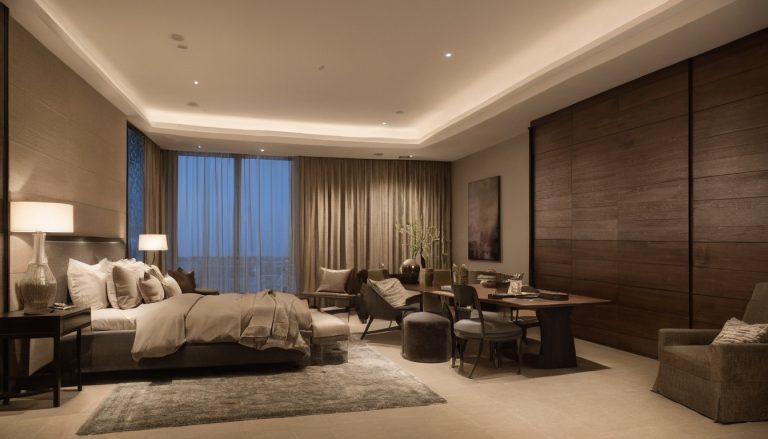
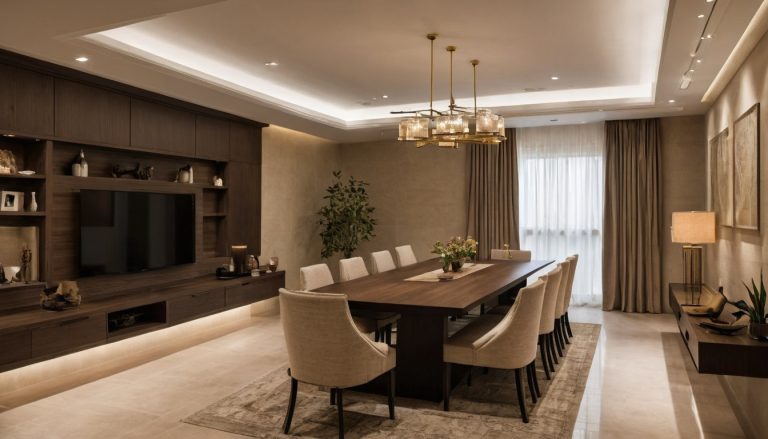
A showroom room set is a staged photograph you can walk into, built with the same intent as any other exercise in visual merchandising. Every element in it, including ceiling height, wall colour, rug size, lighting temperature and the absence of doorways, has been chosen to make the furniture read well. Understanding the staging lets a buyer separate the piece from the presentation.
Five staging decisions that change how furniture reads
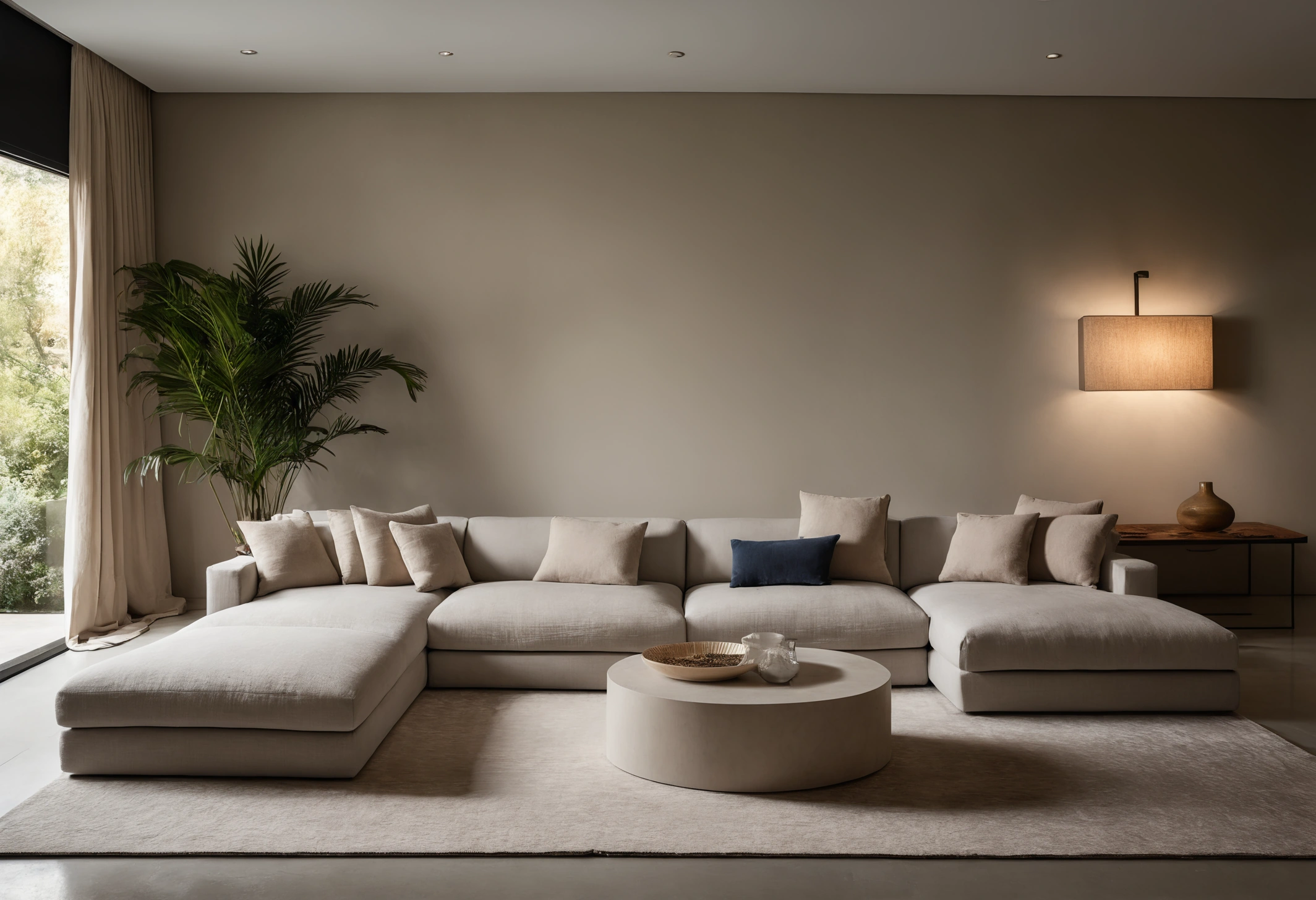
Five specific staging choices flatter furniture in a showroom, and each one is absent from the room the furniture is going into. Recognising the five converts a showroom visit from an emotional experience into a measurement exercise.
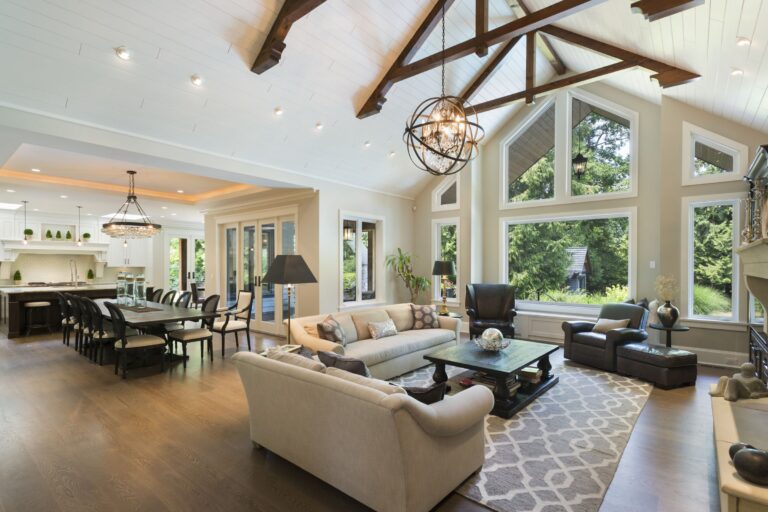
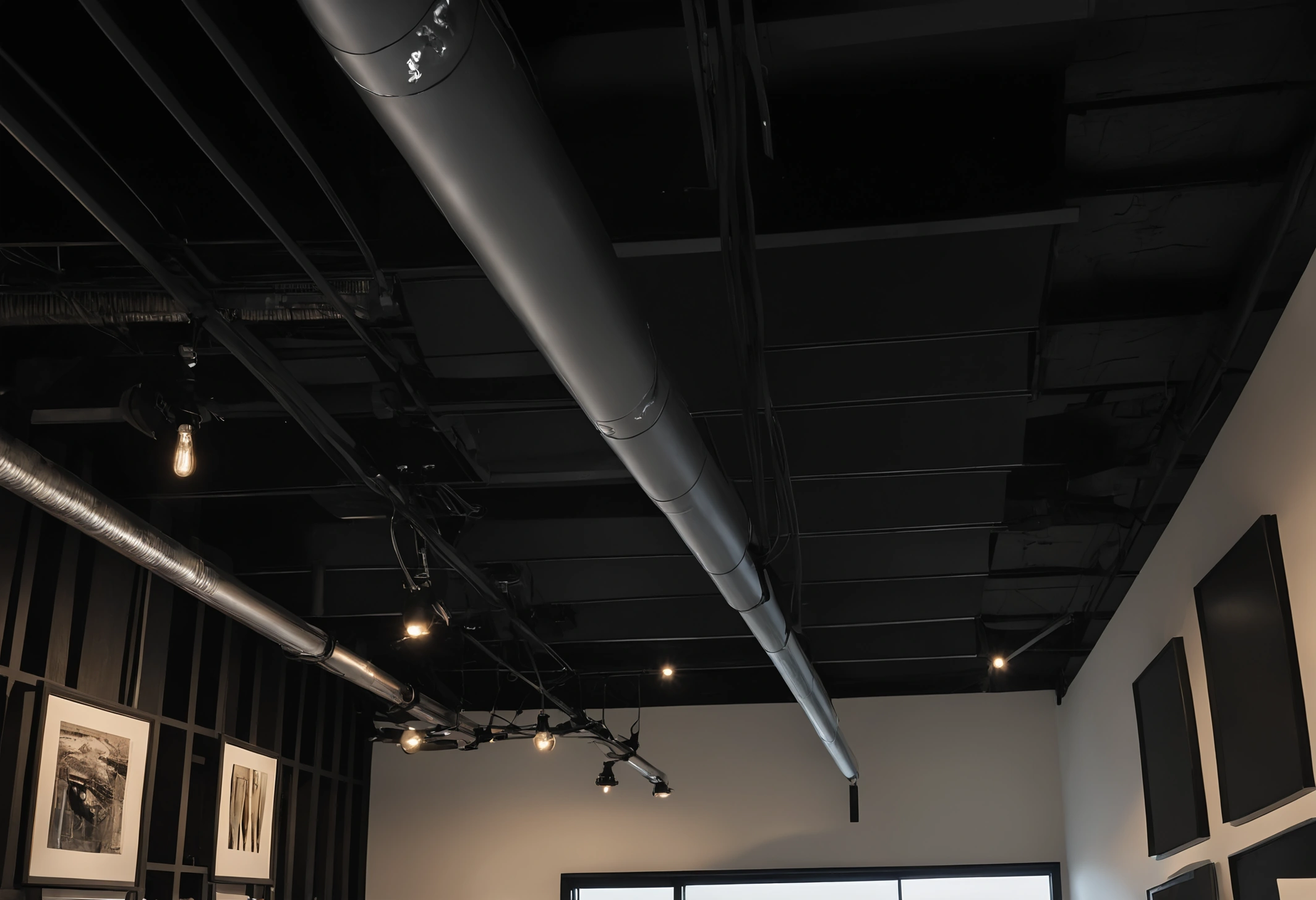
- Ceiling height. Showroom ceilings frequently run 4 metres or higher against a residential 2.7 to 3.0 metres. Tall ceilings make large furniture read as correctly scaled.
- Oversized rugs. A rug that extends well beyond the seating group makes the group appear generous. The same sofa on an undersized rug reads as cramped.
- Backdrop colour. Warm off-white backdrops flatter almost every upholstery tone. A cool grey or a strong colour at home changes the reading of the same fabric.
- Accent lighting. Narrow-beam spotlights aimed at a sofa create modelling and texture that flat ceiling lighting at home will not reproduce.
- Absence of circulation. Room sets have no doorways to cross, no traffic routes and no side tables competing for space.
Lighting deserves the closest attention because it changes colour perception directly. Showroom accent lighting is typically specified at a high colour rendering index, which makes fabrics appear richer and more saturated than they will under standard residential lighting. A fabric selected under high-quality accent light and installed under a builder’s downlights looks flatter and often cooler.
Measurements to take in the showroom rather than at home
Six measurements taken during a showroom visit predict how a piece will perform in a specific room, and none of them appears in a product catalogue in a directly comparable form.
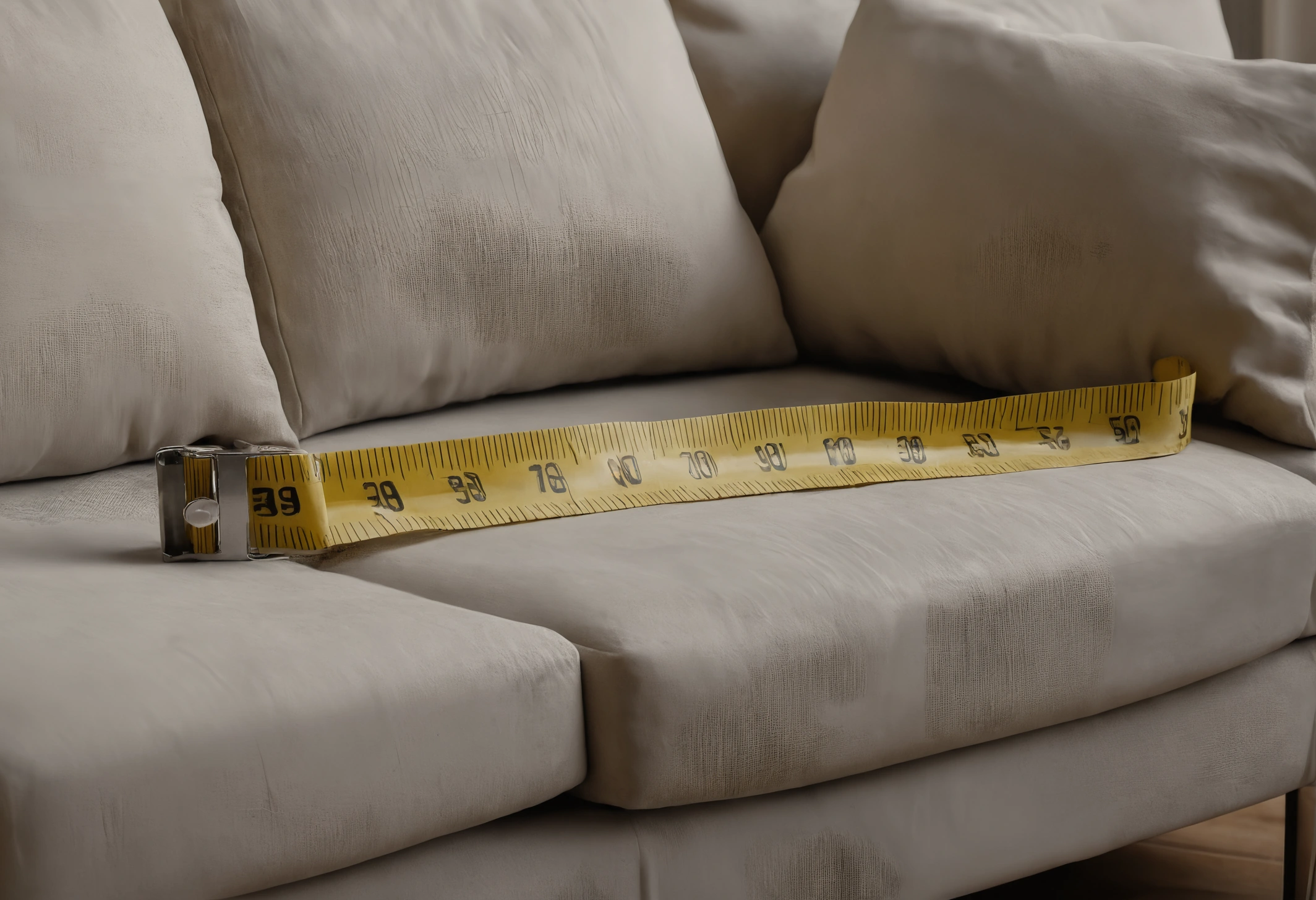
| Measurement | Why it matters | Typical range on contemporary seating |
|---|---|---|
| Seat height from floor | Determines ease of standing and how a room reads visually | 380 to 450 mm |
| Seat depth | Decides posture and whether shorter users get back support | 560 to 720 mm |
| Overall depth including cushions | Governs circulation space behind and in front | 900 to 1,200 mm |
| Arm height above seat | Affects comfort when reclining and reading | 140 to 260 mm |
| Back height from floor | Determines whether the piece blocks sightlines or windows | 640 to 850 mm |
| Largest single component dimension | Decides whether it enters the building | Varies; compare against lift and door dimensions |
Seat depth is the measurement that generates the most post-delivery regret. A 700 mm seat depth suits a reclined posture with cushions behind the back, and a user of 1.60 metres sitting upright on the same piece will find no back support at all. Sitting on the floor model for ten minutes rather than thirty seconds reveals the difference.
A sofa is furniture for a specific body in a specific room. Neither variable is present in the photograph that sold it.
Testing fabric properly during the visit
Fabric testing in a showroom takes four actions and answers questions that a photograph cannot. Each action targets a failure mode that appears months after delivery rather than on the day.
- Carry the sample to a window. Daylight shows the true tone. Showroom accent lighting shifts colour perception significantly.
- Rub the surface firmly with a palm. Pile fabrics and some boucles mark and shade under pressure, which becomes permanent in daily use.
- Check the abrasion rating. Ask for the Martindale or Wyzenbeek figure. Residential use is commonly specified above 20,000 Martindale cycles, with heavier ratings for daily-use seating.
- Ask about cleaning code and removability. Whether covers are removable changes the practical life of the piece far more than the fabric itself.
Removable covers are underrated. A sofa with fully removable, replaceable covers can be refreshed for a fraction of reupholstery cost, and in a climate with strong daylight that difference compounds. Showrooms carrying luxury Italian furniture generally know which models in their range offer removable covers, and the answer varies within a single manufacturer’s collection rather than by brand.
What floor models tell you about the retailer
The condition and composition of a showroom floor reveal how the business operates. Three observations distinguish a stockholding retailer from an order-taking agent.
- Floor model wear
- Heavily worn floor models that remain on display suggest slow rotation. Well-maintained models replaced periodically suggest active stock movement.
- Depth within a single brand
- A retailer showing eight pieces from one manufacturer holds a real account. A retailer showing one piece each from twenty brands is usually presenting a catalogue.
- Availability of the displayed configuration
- Ask whether the exact configuration on the floor is available now. Frequently the display is a special combination that requires production.
The third observation catches a common misunderstanding. A buyer who sits on a floor model and orders it expects the same object, while what is often ordered is the same model in a different fabric and size, produced later. Confirming the exact specification of the floor model against the specification being ordered prevents a delivery-day surprise.
Bringing your own room into the showroom
Three items carried to a showroom visit make the comparison concrete: the room dimensions, a photograph of the room in daylight, and a sample of the existing floor finish. Together they answer most questions on the spot rather than after delivery.
Floor finish matters more than buyers expect. Upholstery selected against a pale limestone floor behaves differently against dark porcelain or against warm oak, because the floor reflects light up into the fabric. Placing a fabric swatch on an actual floor sample gives a truer reading than holding it in mid-air under accent lighting.
Room dimensions allow the salesperson to lay out the pieces at real scale, which some showrooms will do with tape on the floor. Studios providing interior design services in Dubai normally supply a furniture plan at 1:50 before any showroom visit, precisely so the visit becomes a confirmation exercise rather than a discovery one.
Questions worth asking before leaving
Five questions establish the commercial reality behind a display and take under five minutes to ask.
- Is this exact piece, in this exact fabric and size, currently in stock, or does it require production.
- What is the confirmed factory lead time in weeks, and when was that figure last verified.
- Are the covers removable, and can replacement covers be ordered later against the batch reference.
- What is the largest single component dimension for delivery access.
- What happens if a mechanism or component fails in year four, and who supplies the part.

The purpose of the exercise
Reading a display critically is not a defence against dishonest retailing. Showroom staging is a legitimate presentation technique, used everywhere, and a well-staged room set genuinely helps a buyer understand how pieces work together.
The exercise exists because the room set is a different room from the one the furniture is going into. Measuring the piece, testing the fabric in daylight, and confirming stock status converts an impression into a decision that survives delivery day.