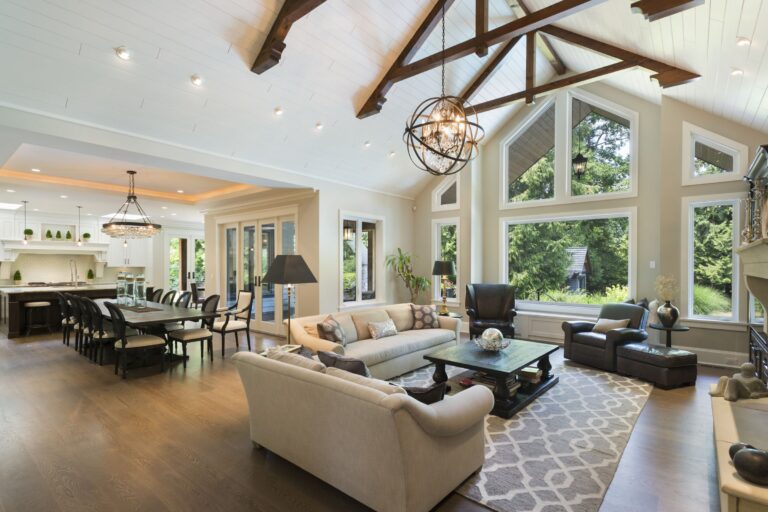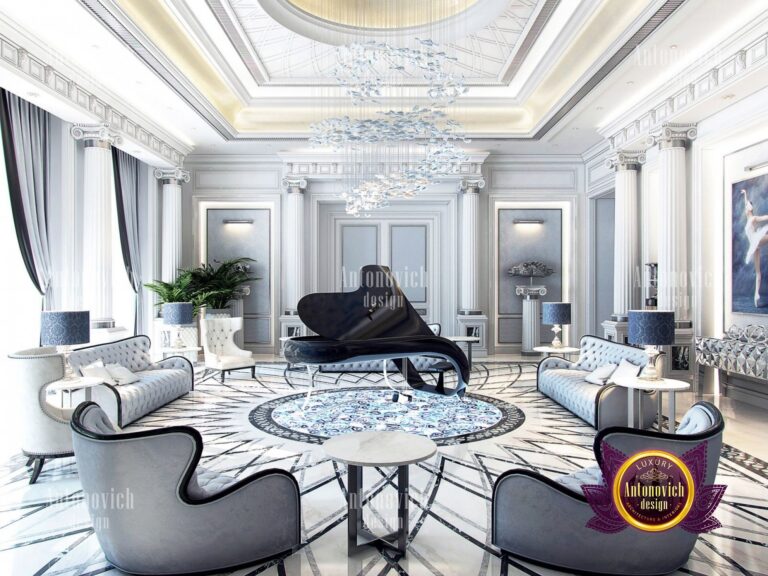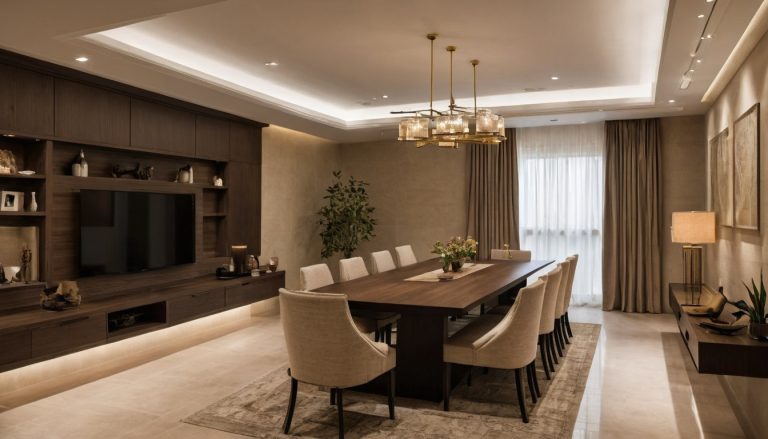
Riyadh Villa Design Briefs: How to Define Scope Before Comparing Interior Designers
Comparing designers before defining scope creates a false choice: one proposal prices mood boards, another prices contractor-ready drawings, and a third excludes site support. A Riyadh villa owner needs a scope-first brief so every interior designer prices the same rooms, responsibilities, and fit-out risks.
What should a Riyadh villa owner prepare before contacting interior design companies in Riyadh?
A Riyadh villa owner should prepare a decision brief before contacting interior design companies in Riyadh. The brief should define fixed project facts, family use, privacy expectations, budget limits, timeline pressure, and the level of designer involvement expected after drawings are issued.
A Riyadh villa design brief should start with fixed project facts
Fixed project facts separate non-negotiable information from taste. This helps an interior designer Riyadh team price the same scope, especially when one villa is under construction and another is a renovation with hidden MEP limits.
| Brief item | What to prepare before enquiry |
|---|---|
| Villa facts | District, built-up area, floors, room list, and construction stage. |
| Technical files | Architectural drawings, site photos, MEP status, ceiling heights, and contractor comments. |
| Commercial limits | Budget range, handover date, contractor status, and whether procurement or supervision is expected. |
| Design direction | Style references, disliked materials, maintenance expectations, and relevant basic interior design principles. |
A Riyadh villa owner should define family privacy rules before style direction
Family privacy rules affect the plan before colours matter. A Saudi villa brief should state who uses the male majlis, female majlis, family living room, guest bathrooms, bedroom corridors, service entrance, maid area, and driver access.
Hospitality spaces need special clarity because the majlis is not a generic lounge. UNESCO lists Majlis, a cultural and social space, and Arabic coffee, a symbol of generosity, on its Representative List, which gives useful cultural context for guest seating, serving routes, and coffee points, not a building rule.
A Riyadh villa design brief should rank rooms by decision priority
A Riyadh villa design brief becomes useful when each room has a priority level, because not every space needs the same design depth, budget, or custom detailing.
| Villa zone | Typical priority | Scope decision to write into the brief |
|---|---|---|
| Entrance lobby | High | First impression, privacy screen, feature wall, lighting scene, storage. |
| Male majlis | High | Guest capacity, seating layout, coffee service route, ceiling design, powder room access. |
| Female majlis | High | Privacy, hospitality seating, serving access, finishes, lighting mood. |
| Dining room | Medium to high | Table size, buffet wall, kitchen connection, guest circulation, acoustics. |
| Family living | Medium | TV wall, durable upholstery, children’s storage, casual lighting, circulation. |
| Kitchen | High technical | Supplier coordination, appliance sizes, pantry storage, ventilation, service access. |
| Bedrooms | Medium | Wardrobes, bed wall, blackout needs, study corner, reading lights. |
| Bathrooms | High technical | Sanitaryware, waterproofing, drainage, tile layout, mirror lighting, access panels. |
| Outdoor sitting | Medium | Shade, dust-resistant finishes, outdoor fabric, lighting, guest connection. |
| Maid or driver areas | Functional | Durable finishes, storage, ventilation, privacy, simple maintenance. |
Majlis and entrance spaces usually need the clearest design scope
Majlis rooms should not be briefed as generic living rooms. The brief should name seating capacity, guest arrival sequence, powder room access, privacy from family zones, coffee preparation points, serving storage, buffet walls, and routes from kitchen or pantry to guest areas.
Bedrooms and family spaces should be scoped around daily use
Private rooms need comfort discipline rather than constant feature walls. A master suite may need elevations for the bed wall, wardrobes, vanity, dressing area, curtains, and lighting controls. A child’s room may only need furniture layout, wardrobe dimensions, study position, safe storage, and washable finishes. Clear bedroom design planning stops private rooms from consuming the same design fee and approval time as the majlis.
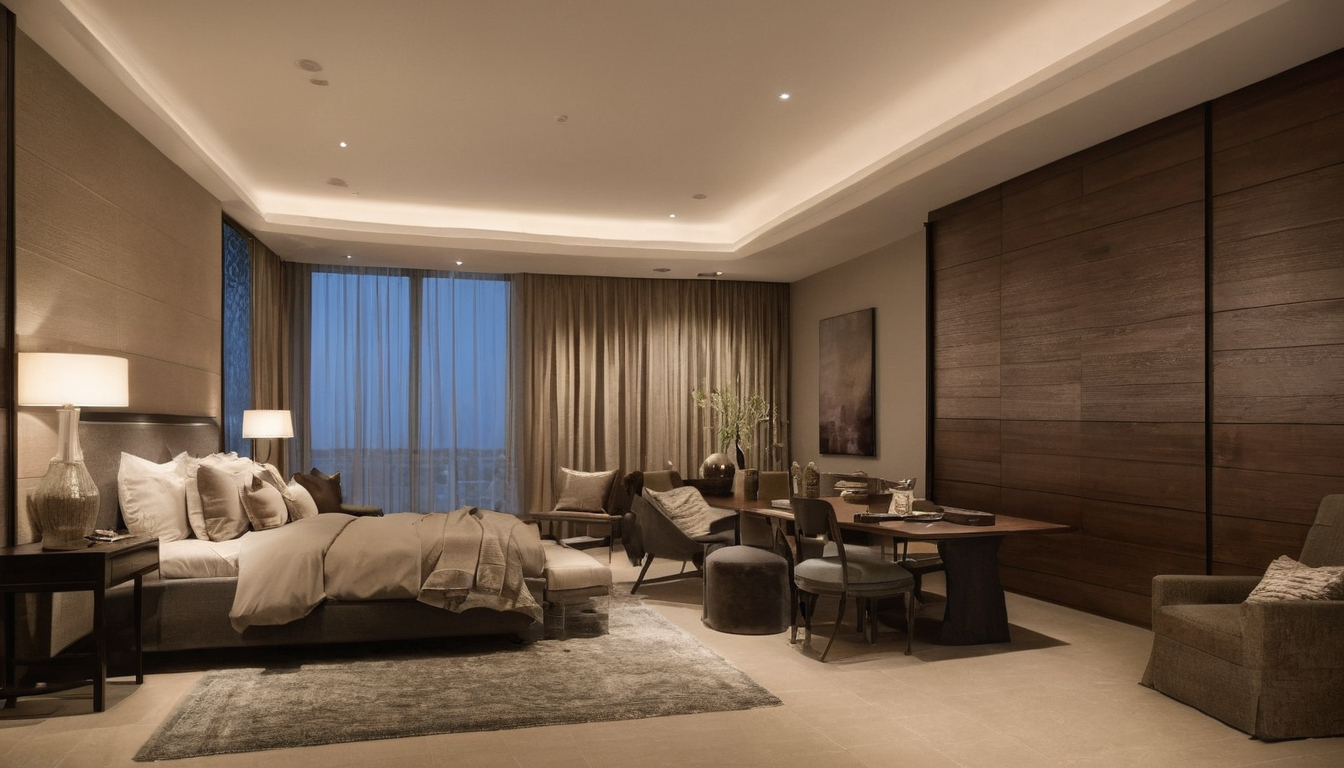
A Riyadh villa design brief should rank rooms by decision priority shown as a planning reference for layout, scale, and material decisions.
Family living spaces should answer daily behaviour: where children drop school bags, where the television sits, how much storage hides toys and devices, and whether the room needs acoustic separation from guest areas.
Kitchens, bathrooms, and service areas need technical decisions early
Kitchens require early supplier and MEP coordination because cabinet dimensions, appliance selections, hood exhaust, sink positions, sockets, and pantry storage affect drawings and contractor pricing. Owners should list appliances, cooking style, dirty kitchen needs, and service circulation before asking for a proposal. Early kitchen planning decisions reduce redesign after pricing starts.
Bathrooms, laundry rooms, and service zones need the same seriousness because water problems become finish problems. The U.S. EPA advises fixing plumbing leaks and other water problems quickly, and drying wet or damp materials and furnishings within 24 to 48 hours to help prevent mold growth in applicable moisture events. A brief should call for sanitaryware schedules, waterproofing coordination, drainage review, access panels, and snagging responsibilities. Reviewing common bathroom design mistakes helps owners ask for these items before site work exposes gaps.
- Mark high-design rooms: entrance, male majlis, female majlis, dining, stair hall, and master suite.
- Mark technical rooms: kitchen, bathrooms, laundry, pantry, maid room, driver room, and areas needing plumbing, ventilation, or supplier coordination.
- Mark daily-use rooms: family living, children’s bedrooms, study areas, and outdoor sitting, where durability and storage matter most.
What deliverables should a Riyadh interior design proposal include before fees can be compared?
A Riyadh interior design proposal can only be compared fairly when the deliverables are named in detail. A villa owner should confirm whether the fee includes concept design, detailed drawings, material schedules, FF&E specifications, BOQ support, tender clarification, site visits, and snagging support.
Concept design is not the same as a contractor-ready drawing package
Concept design explains direction. Contractor-ready design explains what to build, where to build it, and how finishes meet edges, ceilings, services, and joinery. A low fee may cover mood boards, reference images, colour palettes, loose furniture ideas, and layout options, but that package does not give a fit-out contractor enough information to price accurately.
A developed package should include furniture layouts, reflected ceiling plans, lighting layouts, wall elevations, floor finish layouts, sanitaryware positions, and preliminary joinery intent. A detailed package should add joinery details, tile setting-out, ceiling profiles, electrical coordination notes, and finish codes that match the material schedule.
Owners comparing interior design companies in Riyadh should ask each company to mark the proposal as concept only, developed design, detailed design, or design plus supervision.
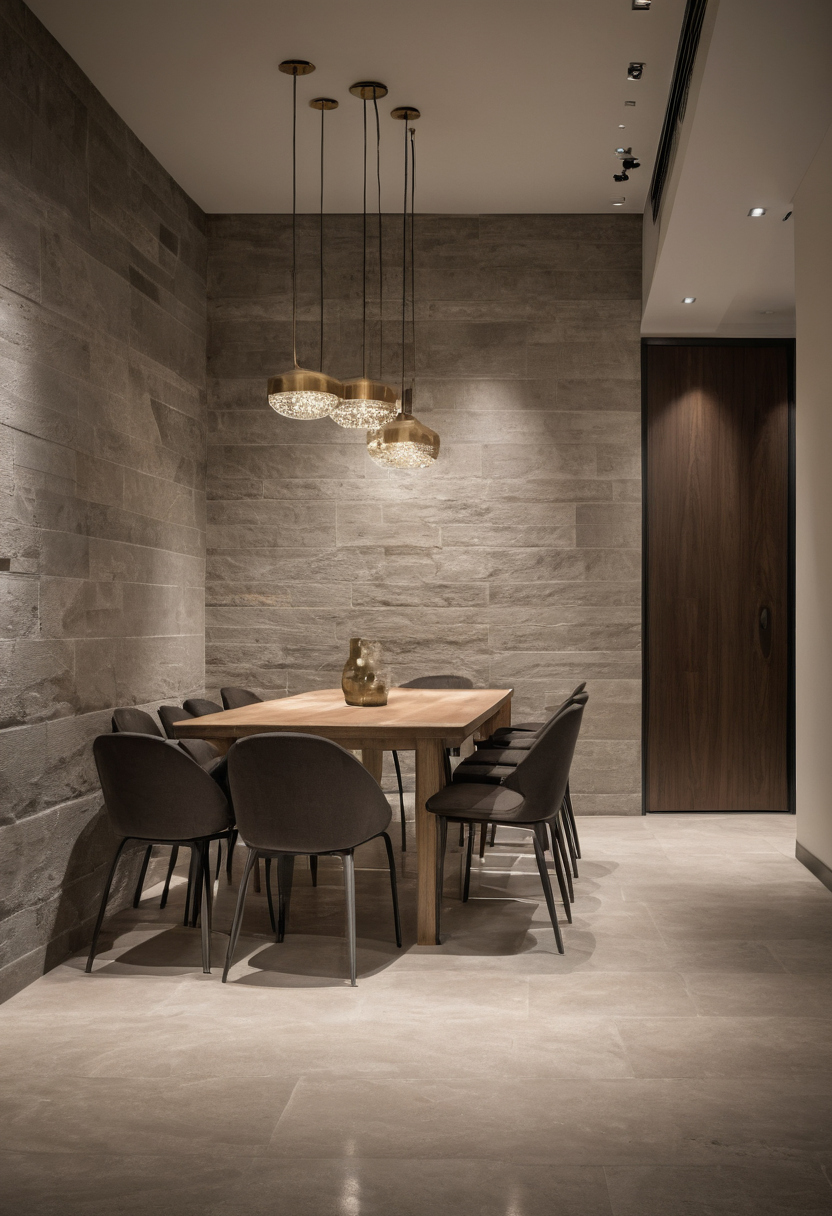
What deliverables should a Riyadh interior design proposal include before fees can be compared shown as an editorial reference for proportion and finish coordination.
FF&E and material schedules should state selection responsibility
FF&E means furniture, fixtures, and equipment. In a Riyadh villa, the FF&E schedule may include sofas, beds, rugs, curtains, decorative lighting, mirrors, consoles, appliances, and guest-room items. The material schedule may include stone, tile, timber flooring, wallcovering, paint, fabric, leather, metal finishes, sanitaryware, mixers, switches, and feature lighting.
The schedule should state who selects, approves, purchases, checks availability, and handles substitutions. Some owners buy directly from showrooms. Some designers procure with a purchasing fee or markup. Some contractors supply approved materials within the fit-out price.
Finish schedules should identify product performance where it affects daily living. The U.S. Environmental Protection Agency identifies paints, paint strippers, cleaning supplies, pesticides, building materials, furnishings, office equipment, and craft materials as example sources of VOCs, so a villa brief can ask for suitable specifications where indoor air quality is a family priority.
Site visits and supervision should have a written visit count
Site involvement creates proposal gaps because supervision means different things to different designers. One proposal may include clarification by phone only. Another may include scheduled site visits, sample review, shop drawing comments, contractor meetings, and a final snagging walk-through.
- Risk: “Site coordination included” appears with no visit count, stage list, or response time.
- Risk: The designer prepares joinery intent drawings, but the joinery contractor expects shop drawings from the designer.
- Risk: Sample approval is assumed to include marble slabs, veneer, fabric, wallpaper, paint mock-ups, lighting temperatures, and metal finishes, while the proposal mentions only “materials.”
- Risk: Snagging support is promised without saying whether it covers the whole villa or only designer-specified items.
Which scope boundaries cause disputes in Saudi interior design villa projects?
The most common scope disputes in Saudi interior design villa projects happen where design, supply, installation, and site supervision overlap. Riyadh villa owners should define boundaries for lighting control, custom joinery, stone and marble, smart home systems, kitchen coordination, procurement, substitutions, defects, and snagging before signing.
Lighting control and smart systems need named responsibility
Lighting scope causes disputes when the villa owner receives ceiling renders but no written answer on circuits, dimming, switch locations, control panels, driver access, or smart home integration. Decorative fixture selection, technical lighting intent, MEP coordination, and installation should not sit in one vague line called “lighting design.”
A Riyadh villa brief should name who decides fixture models, checks dimming compatibility, coordinates ceiling cut-outs with AC diffusers, marks switch positions on site, and tests scenes after installation. Where qualified LED lighting is specified, ENERGY STAR says qualified LED lighting uses at least 75 percent less energy and lasts up to 25 times longer than incandescent lighting, but product selection, drivers, controls, and installation still need coordination.
Custom joinery and marble details should be documented before pricing
Custom joinery and marble become dispute zones when proposals price a visual reference instead of a buildable detail. A majlis wall unit, wardrobe, vanity, stair cladding, or marble feature wall needs elevations, sections, edge profiles, hardware specification, internal storage layout, veneer or laminate selection, stone thickness intent, fixing method, and shop drawing review responsibility.
| Boundary item | Owner should ask | Likely responsible party |
|---|---|---|
| Lighting controls | Who coordinates switches, dimming, scenes, and control panels? | Interior designer, MEP contractor, smart home specialist |
| Joinery details | Who issues elevations, sections, hardware notes, and approves shop drawings? | Interior designer, joinery contractor, owner for final samples |
| Marble and stone | Who selects slabs, checks veining, confirms edge details, and accepts installation? | Interior designer, stone supplier, main contractor |
| Kitchen coordination | Who aligns appliances, plumbing, power points, extraction, and supplier drawings? | Kitchen supplier, MEP contractor, interior designer |
Procurement scope should say who buys, stores, delivers, and replaces
Procurement disputes start when “designer will source furniture” means different things to each party. The proposal should state who places orders, pays suppliers, checks lead times, tracks shipments, receives deliveries, stores items, inspects damage, manages warranty documents, approves substitutions, and pays for replacement after damage or incorrect supply.
Imported furniture and materials need tighter wording because delivery risk, transport, insurance, and customs-related obligations can sit with different parties. Incoterms 2020 defines internationally recognized trade terms for buyer and seller responsibilities, so the exact term should appear in the supplier quotation or purchase contract when imported goods are involved.
Typical exclusions include contractor pricing, MEP redesign, structural changes, authority submissions, supplier delays, warehousing, customs handling, installation labour, site supervision beyond agreed visits, and final snagging after handover.
How should a Riyadh villa brief address climate, privacy, and hospitality use?
A Riyadh villa brief should translate local living conditions into design requirements, because heat, dust, strong sunlight, family privacy, and frequent hosting affect material and layout decisions. The brief should identify durable finishes, shaded transitions, easy-clean fabrics, guest circulation, service access, and maintenance expectations.
Riyadh climate should influence finish durability, not only colour choice
Riyadh climate affects how finishes age. Entrance floors, stair halls, outdoor-adjacent rooms, and window-facing walls need materials that tolerate dust, shoe traffic, sunlight, and frequent cleaning. The brief should ask for performance notes, not only samples: porcelain versus natural stone, washable wall paint versus delicate texture, lined curtains versus sheer-only treatments, and upholstery with removable or cleanable covers.
- Flooring: specify slip resistance, dust visibility, cleaning method, and threshold details.
- Walls: identify washable paint zones, stone cladding limits, and areas exposed to hand contact.
- Soft furnishings: state fabric cleanability for majlis seating, family sofas, curtains, and cushions.
- Natural stone: define care expectations. The Natural Stone Institute advises cleaning stone surfaces with neutral cleaners, stone soap, or mild liquid dishwashing detergent and warm water.
Saudi hospitality patterns should shape majlis and guest circulation
Saudi hospitality should appear in the plan before style. The brief should state expected guest numbers, whether male and female guest zones stay separate, how guests reach the majlis, where shoes and abayas are stored, and which doors protect family privacy.
Coffee service, dining access, guest washrooms, and service circulation need the same clarity. A majlis that looks elegant but forces staff through family living areas will fail in daily hosting.
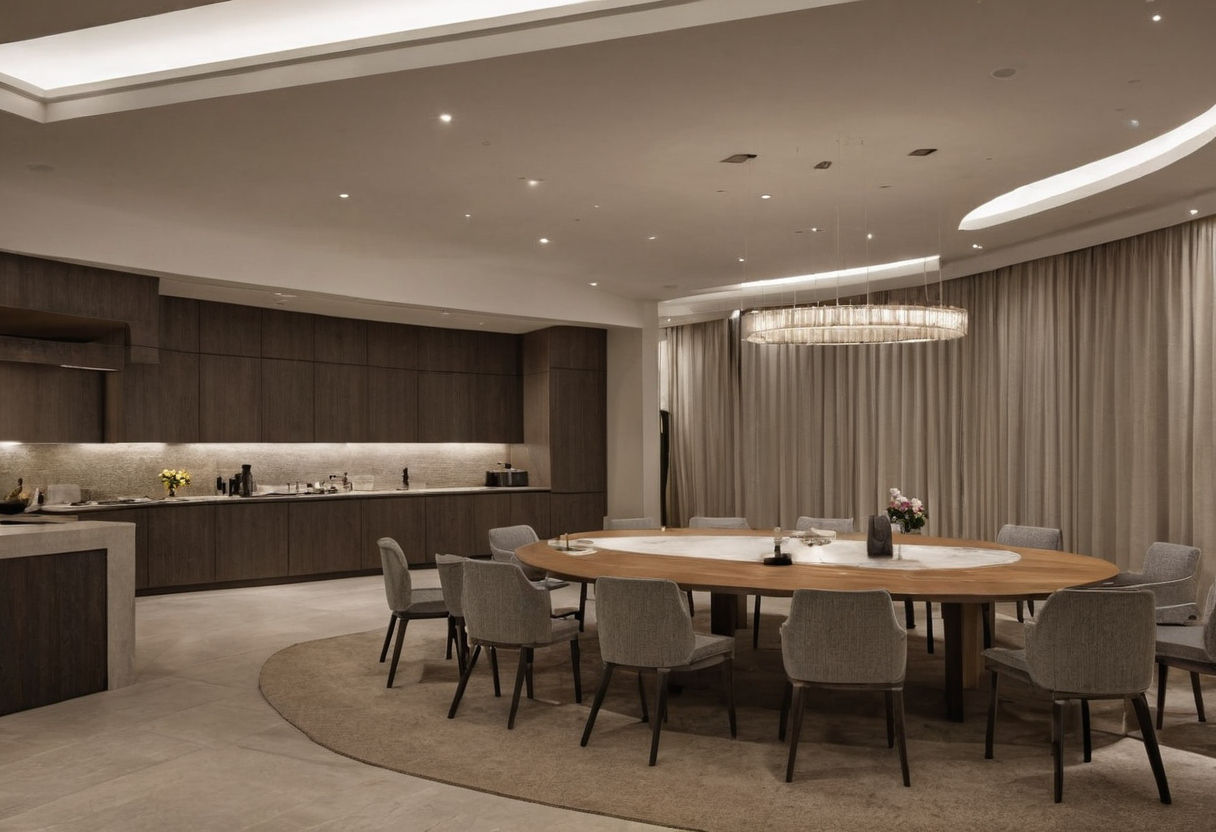
How should a Riyadh villa brief address climate, privacy, and hospitality use shown as an editorial reference for proportion and finish coordination.
How can owners compare an interior designer Riyadh proposal fairly before signing?
Owners can compare an interior designer Riyadh proposal fairly by scoring scope completeness, deliverable clarity, site involvement, procurement responsibility, timeline realism, exclusions, and communication process. The lowest fee only becomes comparable when drawings, revisions, visits, tender support, and fit-out coordination duties match.
A proposal comparison table should score scope before style
A villa owner should place each proposal into the same matrix before discussing taste. Fixed fees, percentage fees, per-square-metre fees, room packages, supervision add-ons, and procurement markups can all be fair, but only if the included work is clear.
| Comparison item | What to check before signing |
|---|---|
| Included rooms | Majlis, dining, family areas, bedrooms, kitchen, bathrooms, stairs, outdoor sitting, and service rooms named separately. |
| Drawings and revisions | Furniture plans, reflected ceiling plans, lighting, elevations, joinery details, material schedules, and revision limits stated. |
| Site and contractor role | Visit count, meeting attendance, shop drawing review, BOQ support, snagging, and handover support defined. |
| Procurement | Responsibility for quotations, ordering, storage, delivery checks, damaged items, and supplier follow-up written clearly. |
| Commercial terms | Payment stages, exclusions, reimbursable costs, cancellation rules, and ownership of drawings confirmed. |
Timeline promises should match the villa’s construction stage
A shell-and-core villa needs more design coordination than a furnished renovation, because MEP routes, ceiling levels, kitchen services, lighting control, and joinery fixing points may still be open. An occupied villa needs phasing, protection, dust control, temporary storage, and family access planning.
Owners should ask three direct questions before signing: who issues contractor-ready drawings, who answers site queries during fit-out, and who approves substitutions when a material or imported furniture item is delayed. Missing drawings, late finish selections, MEP changes, supplier lead times, and Ramadan or holiday scheduling can all shift the programme.
The practical decision is simple: shortlist the designer whose proposal makes the villa easier to price, build, inspect, and hand over, not the designer whose presentation looks complete while the scope remains open.
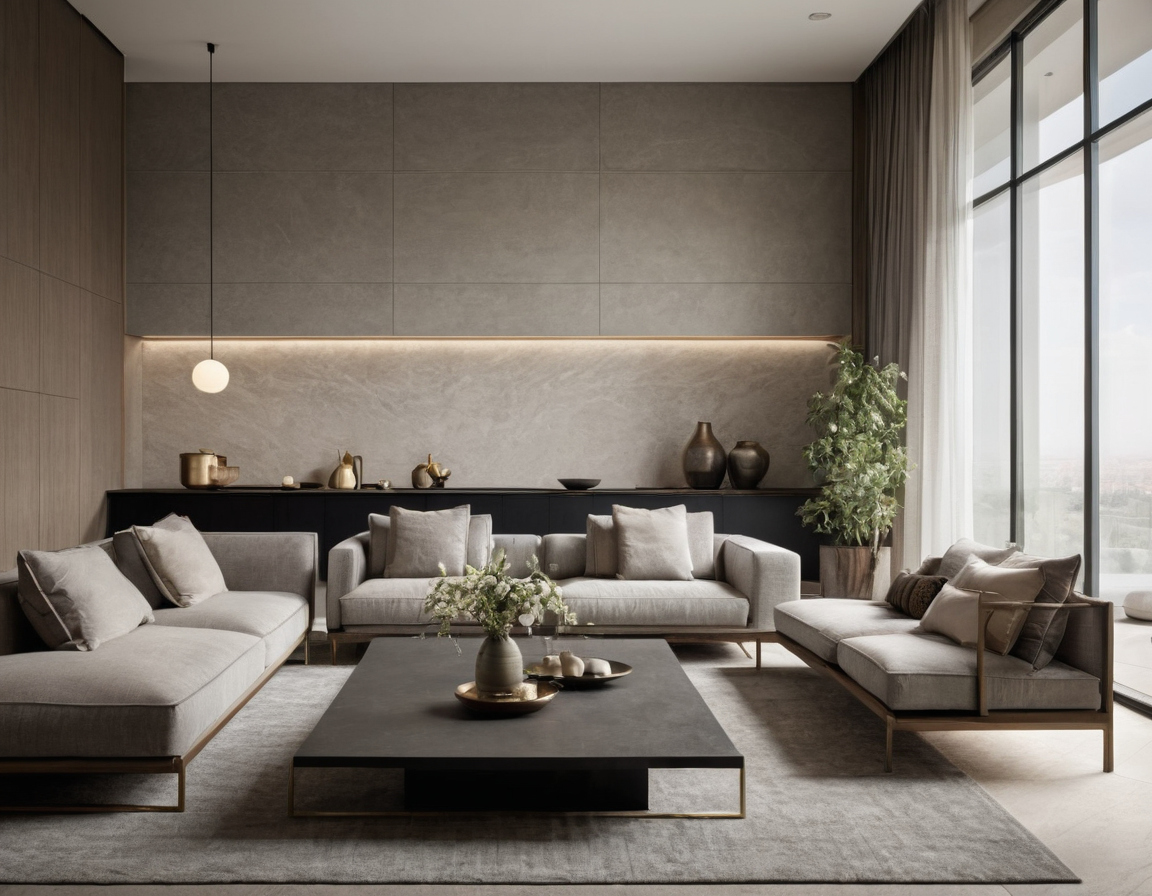
How can owners compare an interior designer Riyadh proposal fairly before signing shown as a planning reference for layout, scale, and material decisions.
FAQ
What are the main specifications of a Riyadh villa interior design brief?
The main specifications are villa facts, room priorities, privacy rules, deliverable list, procurement responsibility, site involvement, budget range, construction stage, and timeline.
How much detail should I prepare before meeting interior design companies in Riyadh?
Prepare enough detail for each company to price the same scope: drawings, room list, site photos, MEP status, preferred service level, budget range, and decision priorities.
Is a mood board enough to get an accurate villa fit-out quotation in Riyadh?
No. A mood board helps with style direction, but accurate fit-out pricing needs drawings, schedules, quantities, finish codes, supplier responsibilities, and site assumptions.
Do interior designers in Riyadh usually handle procurement and site supervision?
Some do, some do not. The proposal should state whether procurement, supplier follow-up, site visits, shop drawing review, sample approval, and snagging are included or charged separately.
Do rules like the 3-5-7, 70/30, or 80/20 design rules matter when briefing a villa designer?
They can help with styling discussions, but they should not replace scope. A Riyadh villa brief should first define rooms, drawings, procurement, privacy, durability, and site coordination.